Short answer: for most people whose face reacts badly to shaving, an electric shaver is usually the gentler of the two options, and the reason is mechanical rather than medical. On a blade razor the edge crosses your skin directly. On an electric shaver a foil or a rotary guard sits between your skin and the cutters, so your skin never makes direct contact with the blades.
That is also the limit. An electric shaver removes one cause of irritation, a blade scraping the surface, and leaves the others exactly where they were. If your skin objects to pressure, friction, heat or a head full of old stubble, the shaver can still be the thing that sets it off.
Who this is for: anyone deciding whether to switch because blade shaving leaves them red, stinging or bumpy, and anyone who has tried an electric shaver and found it no better. Who should skip it: anyone who needs the closest shave they can get, and anyone with active irritation, an infected follicle or a rash that has not settled. Shaving over broken skin makes it worse whichever tool you pick up.
Two different problems get called sensitive skin
Razor burn and razor bumps look alike in a mirror and behave nothing alike, and they are the reason the answer to this question changes from person to person.
Razor burn is direct damage from the edge. Cleveland Clinic describes it as tiny cracks in the top layer of skin, a loss of hydration and inflammation, appearing minutes after shaving and lasting a few hours to a few days. The usual causes are all about how the blade moved: shaving dry, shaving too fast, using a dull blade, shaving against the direction of growth. The same source notes that people with sensitive skin get it more often, which is the awkward part of this question: the group most likely to be reading this is also the group most likely to have a blade problem.
Razor bumps are a hair problem. The strand curls back and grows into the skin instead of out of it, and Cleveland Clinic points out that thick, coarse or curly hair makes this far more likely, with as many as 83% of Black men affected. A sharper blade does not change that, because the hair still grows back into the skin. What helps is cutting it in a way that leaves less of a sharp new end angled at the surface, and letting the skin stay intact while it recovers.
So the question is not really whether electric shavers suit sensitive skin. It is which of those two problems you have. Electric shaving addresses the first well and the second partly, and does nothing for a skin barrier that is already inflamed.
Why an electric shaver is easier on skin
Cleveland Clinic calls electric razors “sometimes considered a gentler alternative” when it compares hair removal methods. Braun, which has an obvious interest in the answer, describes the mechanism more precisely: the company “puts an ultra-thin foil between your skin and the super-sharp blades”, so the closeness arrives “without your skin ever making direct contact with the blades”. The claim is theirs, but the geometry is not controversial, and it is the same on a rotary head, where a slotted guard does the same job.
For razor bumps the clinical advice is more direct than any brand page. The American Academy of Dermatology tells men who get razor bumps that “a single-blade razor or an electric razor is often recommended”, and Cleveland Clinic’s guidance on ingrown hair lists an electric shaver among the treatments worth trying, with one condition attached: “Hold it just above the surface of your skin.” That instruction is the useful part. The shaver is meant to skim, not to be pressed into the face.
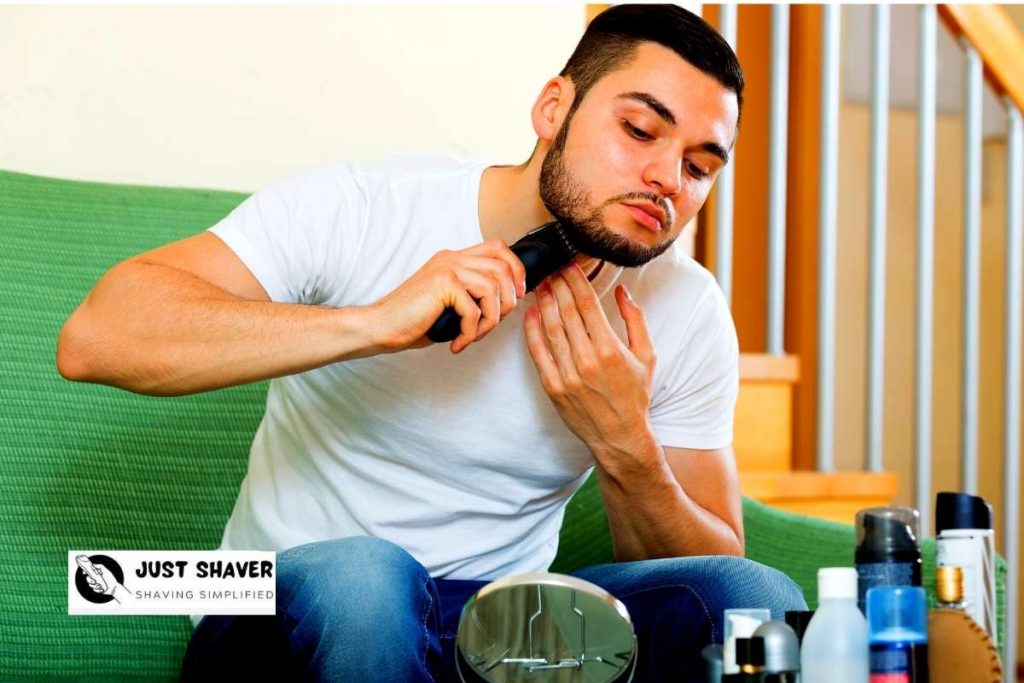
What you give up is closeness. A fresh blade cuts closer than any electric shaver, and that is not a defect you can shop your way out of, it is the same design decision seen from the other side. If you need a genuinely smooth finish, for a photograph or a job where visible stubble is not acceptable, an electric shaver will often leave a shadow that a blade would not. That trade is worth making for skin that bleeds, but it is a trade.
When an electric shaver will not fix it
Four situations where switching is the wrong move, or at least not enough on its own:
- The skin is already angry. Shaving over a rash, an infected follicle or a patch of active acne adds friction to inflammation. Let it settle first, then decide.
- You press. Braun’s own sensitive-skin guidance warns that pushing too hard increases the chance of razor burn. A shaver rewards a light hand and punishes the habit of leaning on a blade to get closer.
- You are chasing the closest possible shave. Buying an electric shaver to replace a blade on closeness grounds ends in disappointment and, usually, in pressing harder.
- The head is dirty or worn. A clogged or blunt head drags and skips, and the natural response is more pressure. That is how a gentle tool stops being gentle.
The four things that decide how it actually feels
Once you have decided electric is worth trying, the model matters less than these four, and all four are free or nearly free to change.
1. The head type. A foil shaver runs flat metal over the skin with cutters oscillating behind it; a rotary shaver uses circular heads that follow curves. Foil tends to suit straighter areas and a flatter shaving style, rotary tends to suit jawlines and necks where the surface keeps turning. If you have not settled this, our foil versus rotary comparison is the place to start, because it is the choice you cannot change later without buying again.
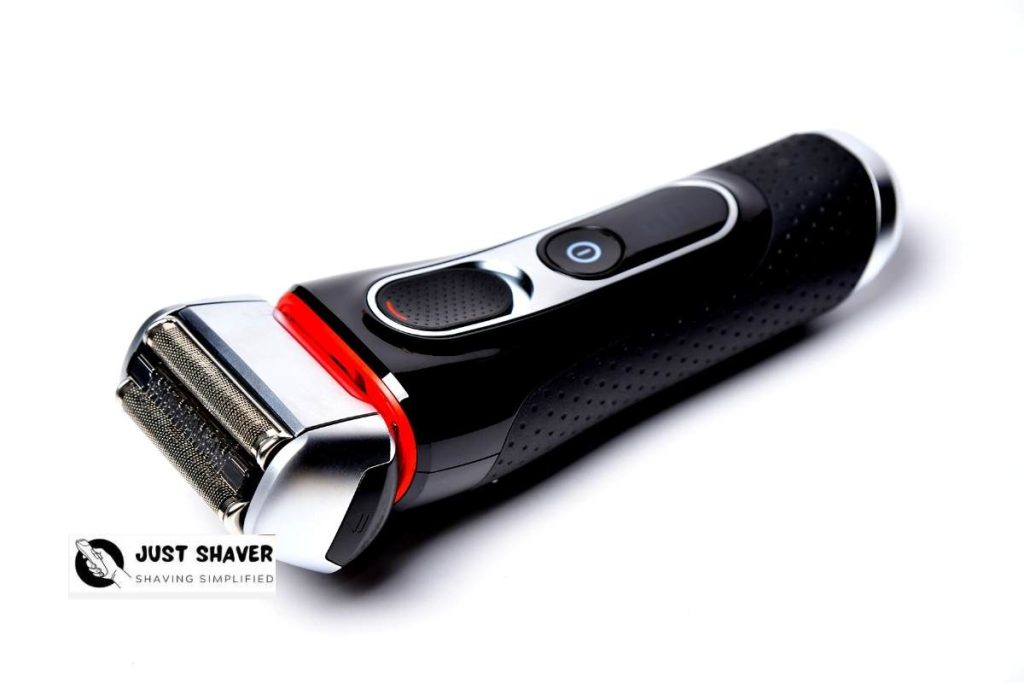
2. Pressure. Light enough that the head floats. If you can see the skin depress under the head, you are pressing. Going over the same patch four times with force is how people give themselves the irritation they switched to avoid.
3. Prep, which is where a lot of electric-shaving advice goes wrong. The American Academy of Dermatology tells men with razor bumps to apply a moisturizing shaving cream “even when using an electric razor”, which contradicts the old rule that electric means dry. The rule that actually applies is the one printed on your shaver: a wet-and-dry model can be used with water and a gel, a dry-only model cannot, and using water in one is a good way to damage the head. Braun also suggests that if you prefer dry shaving, you should not wash your face immediately before, because skin tends to be slightly swollen after washing. If you do go the wet route, use something made for reactive skin rather than a menthol gel; our guide to shave gels for sensitive skin covers what to look for.
4. Hygiene and wear. The AAD advises cleaning an electric razor every five to seven shaves, and replacing the foils and blades as often as the manufacturer’s instructions say. Neither habit shows up on a spec sheet, and both matter more than most of what does. Cleaning a foil or rotary head properly takes a couple of minutes, and a head that has stopped cutting cleanly is a wear problem, not a technique problem.
How to switch without trading one problem for another
Change one thing at a time, and give the change two to three weeks before you judge it. Skin that has been shaved with a blade for years needs a little time to stop reacting to the absence of it, and a first shave that feels strange is not evidence either way.
Start by shaving every other day rather than daily, with light pressure and short strokes, and stop at one pass over any area that already feels warm. Resist the urge to go back over the jaw and neck a third time to chase a patch. If you are new to the tool entirely, how to use an electric shaver covers direction, passes and the awkward spots in more detail than this page needs to.
Afterwards, cool the skin and use something plain. Cleveland Clinic’s razor burn guidance suggests avoiding products with fragrance or alcohol while skin is irritated, and a cool damp cloth for a few minutes does more than a stinging splash. If a blade has been leaving you with burn rather than bumps, the causes are worth fixing separately: preventing razor burn and irritation covers prep, angle and aftercare for the blade itself.
So should you switch?
Switch if the pattern is red, stinging skin after every blade shave, or bumps along the neck and jaw that never quite clear before the next shave. That is the case electric shaving was made for, and the clinical guidance agrees with it.
Stay with a blade if you need the closest possible finish, if your irritation comes from friction and heat rather than from the edge, or if the reaction is limited to one small area you can work around. A different razor is sometimes a worse answer than a better technique with the one you own.
See a dermatologist if bumps are leaving dark marks or grooves, if a follicle is infected, or if nothing changes after three weeks of gentler shaving. The American Academy of Dermatology warns that razor bumps “can create permanent changes to your skin when left untreated, like deep grooves and raised scars”, which is not something to keep experimenting with at home.
If you have decided to switch
The models that suit reactive skin are a short list rather than a long one, and the differences between them come down to head design, closeness and price rather than to marketing claims. Our picks for sensitive-skin electric shavers compare six current models by what each is actually for, including a hybrid for readers who cannot tolerate a close cut at all.
Two notes before you buy. Check whether the model is wet-and-dry, because that decides whether you can use it with a gel in the shower or only on dry skin. And price the replacement heads at the same time as the shaver: a head you replace on schedule is part of the running cost, and a cheap shaver with expensive heads is not the bargain it looks like.
If you shave your legs or underarms rather than your face, the same mechanism applies but the products are different, and an electric body shaver is a separate purchase from a face shaver. Our guide to razors for women with sensitive skin covers that route.
Common questions
Will an electric shaver stop ingrown hairs altogether? No. It cuts the hair less short, which gives the new end less chance to curl back under the skin, but thick or curly hair can still re-enter. It reduces the odds rather than removing the cause, which is why the AAD pairs the recommendation with not stretching the skin and not shaving against the grain.
Can I use shaving cream with an electric shaver? With a wet-and-dry model, yes, and the AAD recommends a moisturizing cream even for electric shaving. With a dry-only model, no: water and cream get into the head and can damage it.
How long before I know whether it is working? Judge it after two to three weeks of light, every-other-day shaving, not after the first attempt. If the skin is calmer by then, the switch was the right call. If it is not, the problem is more likely pressure, prep or a blunt head than the concept of electric shaving.


Leave a Reply