An electric shaver that pulls, drags or leaves patches behind is usually dirty rather than finished. Hair, dead skin and sebum pack into the gap where the cutting parts meet, and a head that cannot move freely stops cutting cleanly. Clear that out and most shavers cut the way they did when they were new.
This page covers the whole routine for a foil or rotary shaver: what to do after each shave, what to do weekly, what to do monthly, and what to stop doing. If your shaver is already pulling after a thorough clean, the last section is the one you need.
The short answer
- After every shave: brush out the cutter block, switch the shaver on for two or three seconds, and put it away dry.
- Once a week: rinse the head under running water if your model is rated for it, then let every part dry completely before it goes back in the case.
- Once a month: one thorough manual clean, plus a drop of oil on the cutter block.
- Every 18 months to two years: new cutting parts. Braun recommends 18 months; Philips recommends around two years.
What you need
You do not need a kit for this. A small soft brush, a little mild liquid soap, a soft cloth and a bottle of light oil will do, and many shavers ship with a brush in the box, so check the box before you buy anything.
If the original brush is gone, replace it rather than borrowing a stiff household brush. Nylon bristles are the right tool for the cutter block and the wrong tool for the foil, which is the one rule worth remembering from this page. A multi-pack is useful because the brush that lives in the bathroom drawer gets lost.

For soap, Braun’s own guidance is that a bit of standard liquid soap improves the rinse, so there is no need to buy a dedicated cleaner to keep a shaver working. A cleaning spray is optional: it lifts sebum that brushing and rinsing leave behind, which matters more for a daily shaver than for one used twice a week.
Step by step: cleaning an electric razor
1. Take the head off
Most shavers open in one of two ways. On a foil shaver, the head frame lifts off the body, sometimes after a small release catch. On a rotary shaver, the head holder usually flips open on a hinge. Your manual shows which, and it takes a few seconds to check the first time. Do not force a head that resists: parts are plastic and clips break before they bend.
2. Brush out the cuttings
Brush the cutter block, the part with the blades, and let the loosened hair fall into the bin. Work over the bin rather than tapping the head against the edge of the sink, which is how foils get dented. Braun is direct about the foil: never clean the cutter foil with the brush. The foil is a thin perforated sheet, and a brush stiff enough to move packed hair is stiff enough to distort it.
3. Rinse, if your shaver allows it
Almost every Braun shaver can be rinsed under running hot water, and Philips builds its routine around cleaning after each shave. Before you run yours under the tap, check the manual or the product page for a wet and dry rating. A shaver sold as wet and dry is designed to be rinsed. A dry-only model is not, and water that reaches the electronics is the one mistake cleaning cannot undo.
4. Let it dry completely
Philips’ guidance is to let the shaver dry fully before storing it. That is the step people skip. Water left inside the head dilutes the cutting action on the next shave and then sits in a closed case until the following morning, which is exactly the condition that makes a clean shaver smell.
5. Add a drop of oil
Put a single drop of light oil on the cutter block now and then, as Braun advises. One drop works into the moving parts; more than that collects dust and cuttings and does the opposite of what you want.
6. Reassemble and run it for a moment
Close the head and switch the shaver on for two or three seconds. Any hair you loosened but did not lift out will be thrown clear, and you will hear straight away whether the head is seated properly.
Foil and rotary: what actually differs
A foil shaver runs an oscillating cutter block behind a thin perforated metal sheet. A rotary shaver spins round cutters under round heads, and most have three. The cleaning schedule is identical, but the fragile part is not: on a foil shaver it is the foil, which you rinse and never scrub, while the cutter block below it takes the brush.
A rotary head holder usually opens as one piece with three separate cutters inside, so you can see at a glance whether one head has clogged while the others are clear. If a single head stops cutting, clean that head before concluding the shaver is worn out.
If you use a cleaning station
Some shavers come with a dock that cleans, dries and charges the shaver at the press of a button, and it does keep the head fresh between manual cleans. It does not replace cleaning by hand. Philips states plainly that an automatic cleaning system is not a replacement for manual thorough cleaning, and recommends a thorough manual clean at least once a month.
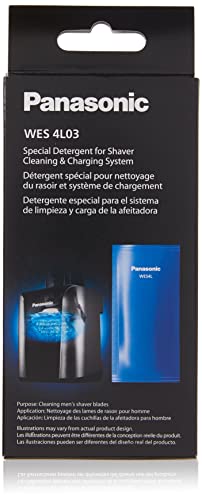
The station has its own upkeep: the cartridge has to be replaced regularly, or the dock recirculates dirty fluid. If you own a Panasonic shaver with an automatic clean and charge station, this is the refill for it. It fits that system rather than Braun or Philips docks, so check your dock’s model before buying.
What not to do
- Do not brush the foil. Rinse it, or wipe it with a soft cloth, and brush only the cutter block underneath.
- Do not rinse a shaver that is not rated for it. A head you can rinse is not the same as a body you can rinse.
- Do not store it wet. A closed case holds moisture against the head all day.
- Do not reach for household cleaners or abrasives. The head is plastic, rubber and thin metal, and none of those are what a kitchen spray was formulated for.
- Do not press hard on the head while cleaning it. You are clearing hair out, not scrubbing a surface.
When cleaning stops helping
If a thoroughly clean shaver still pulls, tugs or leaves stubble in the same places, the cutting parts are usually worn rather than dirty. Foil and cutter wear against each other the way the two halves of a pair of scissors do, which is why Braun recommends new cutter parts every 18 months and Philips recommends new shaving heads around every two years. Replacing the head is the cheaper move and it is covered in detail in our guide to extending the life of a shaver head.
If the battery is fading at the same time, or the body has cracked and the head no longer sits flat, a new head is money spent on an old machine. That is the point to compare models rather than repair one, and our electric razor comparison covers the current options by shaving style and budget.
Different device, different routine
A beard trimmer and a nose trimmer need their own version of this routine: the blades are exposed, they cut longer hair, and they collect more of it. If you clean those too, the beard trimmer maintenance guide and the nose hair trimmer cleaning guide cover the parts that differ. The schedule is the same: brush after use, clean thoroughly once a month, oil occasionally.
Clean the head after every shave, do the thorough version once a month, and replace the cutting parts on the maker’s interval. That is the whole routine, and it is the difference between a shaver that lasts years and one that gets replaced because it stopped cutting.


Leave a Reply