A beard comb picks up oil, skin and dust every time you use it, and none of it leaves on its own. The residue collects at the base of the teeth, where a rinse never reaches, and every pass after that pushes it back through your beard.
Cleaning a comb takes about two minutes. Which two minutes depends on what the comb is made of, because the two things that loosen that residue, water and heat, are also the two things that damage some combs permanently.
Many beard combs are wood, and the most common advice you will find is to soak them in warm soapy water. On a wooden comb that is the quickest way to a warped spine and teeth that snag. If yours is stainless steel, most of this is already settled: rinse it, dry it, and skip to the routine. The material that actually needs care is wood.
What is actually on the comb
The film on a comb is mostly sebum, the oil your skin produces, plus whatever beard oil, butter or balm you put on top of it. Dead skin and lint bind into that film, which is why heavy buildup looks grey and felted rather than simply oily.
Water on its own will not shift it. Oil and water separate, so you need a surfactant, which is what shampoo and soap are, plus something that reaches between the teeth.
So cleaning needs water, soap and friction, and comb materials tolerate those three things to very different degrees.
Wood: clean it dry
Wood is hygroscopic, meaning it takes moisture out of the air, and much faster out of a bowl of water. The teeth are thin and the spine is thick, so they swell at different rates. That difference is what warps a comb and lifts the grain along the teeth.
Lifted grain matters more than it sounds, because it snags beard hair, and a comb that pulls is a comb you stop reaching for.
A wooden comb gets the dry method, with one exception for oil:
- Brush the dry comb with a stiff brush or an old toothbrush, working along the teeth in both directions to lift the lint out of the base.
- Wipe the spine and the flat faces with a cloth that is barely damp, then dry it straight away.
- Lay it flat to finish drying. Not on a radiator, not in direct sun, and never standing in a cup with the teeth down.
- Once or twice a year, work a single drop of mineral oil or a beeswax-based conditioner into the wood and wipe off the excess. More than that attracts dust and can turn rancid in the grain.
What a wooden comb will not survive: soaking, a dishwasher, a bathroom shelf that stays steamy, or being left wet in a tray. Glued combs are worse off again, because hot water weakens the joint before the wood itself gives up.
If the teeth have already gone rough, or the spine no longer sits flat, cleaning will not bring it back. The grain has moved and no amount of oil returns it. That is the point to replace it.

Replacing it is the cheap part. A wooden pocket comb in the same material, with a case to keep it out of the damp, will do the same job as the one that warped. If you have not settled on a comb material at all, that choice comes before the cleaning question: which beard comb material suits your beard.
Plastic and acetate: lukewarm, and quick
Many combs sold as plastic are cellulose acetate. It is a common material and a reasonable one, and it is thermoplastic, which means heat softens it. A comb that goes into boiling water, a dishwasher or a hot car does not come back the same shape.
Solvents are the other risk. Acetone and alcohol both attack acetate, so nail polish remover and hand sanitiser are the wrong things to wipe a comb with. The care instructions for acetate combs are blunt about it: no hot water, no alcohol, no acetone, no bleach, no dishwasher.
The method is lukewarm water with a little shampoo, half a minute of agitation with your fingers or a brush, and a lukewarm rinse. Pat it dry rather than wiping it, because warm teeth bend easily and a towel is enough to do it.
Molded plastic combs, the ones that come free with clippers, take the same treatment and are less fussy about it. The tooth tips round off with use, and once they have gone rough the comb is finished.
Metal: the one you can soak
Stainless steel and titanium combs are cut from sheet and polished, so there is no grain to lift. Of the three materials here, they are the only ones you can properly submerge, and the only ones where a ten-minute soak is a sensible answer to heavy buildup.
Dry them afterwards anyway. A steel comb left wet in a damp tray collects its own film, and there is nothing to oil or warp once it is dry.
The trade-off is in the hand rather than in the wear: metal is cold and heavy, and it costs more than wood or acetate. What you get for it is a comb you can wash without thinking about the material first.
The two-minute routine
Whatever the comb is made of, the order is the same.
- Comb the dry comb out first. Hair and lint come away from a dry comb; on a wet one they smear.
- Work a stiff brush or an old toothbrush along the teeth in both directions until the base is clear.
- Wash only as far as the material allows: plenty of water for metal, lukewarm and brief for acetate, a barely damp cloth for wood.
- Rinse lukewarm, if you are rinsing at all. Hot water does nothing extra except soften the comb.
- Dry it flat, with air reaching both faces.
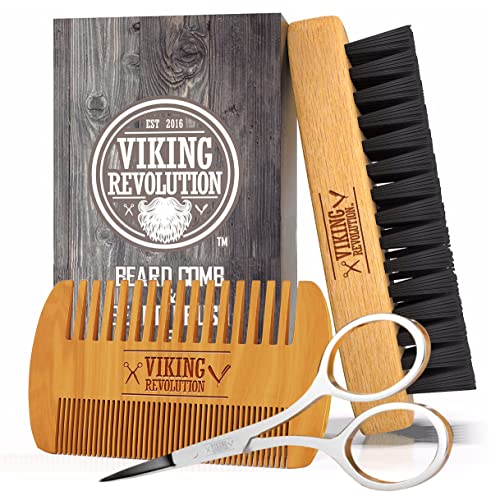
The brush does more of the work than the soap does, and it is the piece most people are missing. A comb-and-brush set covers both, and the brush is the half that keeps the comb clean. We have reviewed that Viking Revolution set in full if you want the detail before buying one.
Beard brushes need their own version of this routine, mostly because water in the handle ends them early: how to clean a beard brush without ruining the bristles.
How often to do it
There is no official schedule here. This is a sensible default rather than a rule:
- Brush the comb out about once a week, or whenever the base starts looking grey.
- Wash acetate and metal roughly once a month.
- Wipe wood when it looks loaded, and oil it once or twice a year.
- Fine-tooth combs load faster than wide-tooth ones, and any comb used on a beard with butter or balm loads faster than one used on a dry beard.
When to replace it
A comb is cheap enough that repair rarely makes sense, but the decision is not about age. Check for these:
- A cracked or split tooth, which catches hair and gets worse.
- Grain lifted along the teeth so the comb drags.
- A spine that no longer sits flat, or teeth that lean.
- Missing teeth.
- Rust spots on a metal comb, or plating worn through to the base metal on a plated one.
- A smell that survives a wash, which usually means residue has soaked into wood or a glued joint.
A comb that fails any of these is one to replace rather than clean. The rest of the kit has its own replacement points, from blades to brushes: when to replace each tool in your shaving kit.
Common questions
Can you wash a wooden comb? Not by soaking it. Wood swells, and thin teeth swell faster than the spine. Brush it dry, wipe it with a barely damp cloth, and keep it out of water.
Can a comb go in the dishwasher? No. Heat and prolonged water are the two failure modes for every comb material, and a dishwasher supplies both at once.
How often should you clean a beard comb? Brush it out weekly, wash acetate and metal monthly, and wipe wood when it looks loaded.
Will cleaning my comb help beard dandruff? Only indirectly, by stopping you from pushing old oil and skin back into your beard. Flaking under a beard has its own causes and a comb is not a treatment for it: what actually helps with beard dandruff.
Why does my comb smell? Residue sitting at the base of the teeth. A dry brush-out usually clears it; if it returns within days, the comb is holding moisture or old oil and is worth replacing.
The short version
Keep wood dry. Keep acetate cool. Metal can take water and soap. Everything benefits from a dry brush-out before it gets wet.
That is the whole job: two minutes, the right method for the material, and a comb that still runs through your beard instead of dragging.


Leave a Reply