Beard dandruff is the flaking that builds up in your beard and along the jawline. It is usually a skin problem, not a hair problem, and that matters: the two most common causes look similar in the mirror but need slightly different fixes. This guide is for anyone who has spotted white or yellowish flakes, itching under the beard, or a dry, tight feeling on the skin beneath it.
Work through the routine first: it helps most cases, whatever the cause. If the skin is red, crusty or itchy, or the flaking hasn’t settled after a few weeks of good habits, jump to the section on seeing a dermatologist.
What beard dandruff actually is
“Beard dandruff” isn’t a formal diagnosis. It’s an everyday name for flakes in a beard, and it usually points to one of two things: plain dry skin, or seborrheic dermatitis, the same flaky, itchy condition behind most scalp dandruff. Facial seborrheic dermatitis is linked to a naturally occurring yeast, Malassezia, and the way some people’s skin reacts to it. It is not a hygiene problem: the yeast lives on almost everyone’s skin, and most people never develop flakes from it.
The difference is worth knowing. Dry-skin flakes tend to be small and white and get worse in cold weather or after a very hot shower. Seborrheic dermatitis is usually thicker and yellowish, can look crusty, and turns red and itchier if you pick or scratch at it.
The most common causes
- Dry skin under the beard. The skin beneath facial hair loses moisture easily, especially in winter, in dry indoor air, or after washing with a harsh soap.
- Seborrheic dermatitis. A yeast-related, flaky and itchy condition that commonly affects the beard area as well as the scalp and eyebrows.
- Product irritation. A fragrance, essential oil or detergent in a balm, wash or conditioner can irritate the skin and flake it.
- Skipping the wash. Going days without washing lets oils, dead skin cells and product build up, which can make existing flaking worse.
You don’t have to pin down the exact cause before you start. But it changes how much you lean on moisturising (for dry skin) versus a medicated wash (for stubborn seborrheic dermatitis).
A daily routine that helps most beards
This is the base routine for every case. Dermatologists recommend a simple three-step plan for anyone with a beard: cleanse, exfoliate gently, and moisturise.
Cleanse
Wash your face and beard once a day with a gentle cleanser made for your skin type — not bar soap, which strips oil and can leave the skin drier and flakier. If your skin runs dry, choose a hydrating, fragrance-free cleanser.
Exfoliate gently
A soft beard brush or comb, used with light circular motions, lifts dead skin cells so flakes don’t collect at the roots. Once or twice a week is usually plenty; scrubbing harder or more often tends to irritate the skin and make flaking worse.
Moisturise
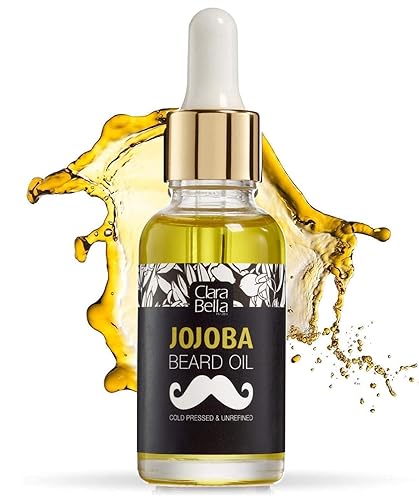
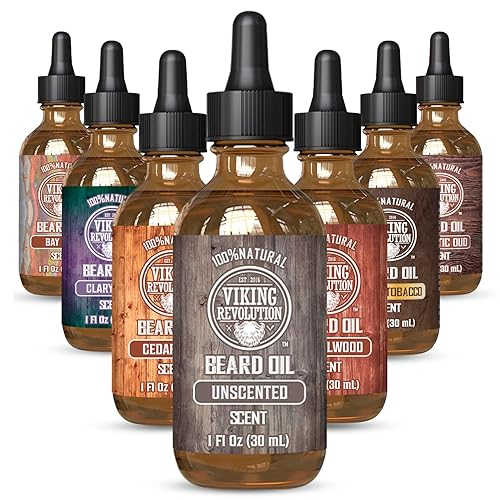
Apply a beard oil, balm or gentle facial moisturiser to the skin under the beard while it’s still slightly damp after washing, so the moisture is sealed in. Match the product to your skin: a light beard conditioner if you’re acne-prone, a beard oil for normal or dry skin, and a plain gentle moisturiser if your skin is sensitive. If you want to understand what a beard oil actually does and which ones suit dry, flaky skin, our guide to choosing beard oil for healthy facial hair walks through it.



Medicated washes: when a normal beard wash isn’t enough
If you’ve kept a good routine for a few weeks and the flakes persist, the next step is treating the skin rather than only moisturising it. Over-the-counter anti-dandruff washes are built around actives such as ketoconazole, zinc pyrithione, selenium sulfide or salicylic acid. These are normally sold as scalp shampoos, but for seborrheic dermatitis they can also be used on the beard area. Work them into the beard a couple of times a week, follow the label, and don’t leave them on longer than directed.
Medicated washes can be drying, so moisturise afterwards and don’t keep using them daily once the flaking settles. If the wider question is matching a wash to your skin in the first place, our guide to choosing the best beard wash covers it.
Home remedies worth knowing (and testing first)
A few household options come up again and again for facial dandruff. Diluted apple cider vinegar (roughly one part vinegar to two parts water) and diluted tea tree oil (mixed into a carrier oil, never neat) are the two most cited, along with aloe vera gel and coconut oil for drier skin. Patch-test anything new on the inside of your elbow for at least 48 hours before using it on your face; acids and essential oils irritate easily, and undiluted tea tree oil should not go straight onto your skin.
When to see a dermatologist
See a doctor or dermatologist if the skin is red, crusty, very itchy or bleeding; if the flaking spreads beyond the beard; or if an over-the-counter medicated wash hasn’t helped after a few weeks. Persistent seborrheic dermatitis is manageable but often needs prescription treatment, and conditions such as eczema or psoriasis can look similar and are treated differently.
Quick answers
Is beard dandruff the same as scalp dandruff?
Often, yes. Seborrheic dermatitis causes both. But flakes can also come from simple dry skin, and that needs moisturising rather than a medicated wash.
Does beard dandruff mean my beard is dirty?
No. Seborrheic dermatitis is linked to skin yeast and skin type, not hygiene. Not washing regularly can make it worse, though.
Can I use normal anti-dandruff shampoo in my beard?
Yes. For seborrheic dermatitis a medicated anti-dandruff wash can be used on the beard area a couple of times a week. Follow the label and moisturise afterwards.
How long until it improves?
A consistent routine usually shows a difference within a few weeks. If nothing changes, or the skin gets sore, see a dermatologist.
The short version
Beard dandruff is rarely about the beard itself. Wash gently, moisturise the skin underneath, treat stubborn flakes with a medicated wash if they persist, and give it a few weeks. If it still won’t settle, a dermatologist can confirm what you’re dealing with and, if needed, prescribe something stronger.

Leave a Reply