No, not for every skin type, and the reason is thickness. A post-shave balm is the richest thing most people put on after a shave, and rich is either the point or the problem depending on what your skin does in the ten minutes after the razor stops.
If your skin feels dry and tight afterwards, a balm is the right format and a gel probably is not enough. If your skin is oily or breaks out easily, a gel or a light lotion labeled non-comedogenic is the better starting point, and some people are better off with nothing at all. If your skin is dry in some places and oily in others, you will use the richer product where it is dry and leave the rest alone.
What follows is which label wording actually means something, and when to stop using a product rather than persevere with it.
The short answer by skin type
| Skin type | What usually works after a shave |
|---|---|
| Dry | A cream-type balm or an ointment, on skin that is still damp. Skip the thin lotion. |
| Oily | A gel, or nothing. A rich balm is the format most likely to sit on top and feel heavy. |
| Acne | A gel or light lotion that says non-comedogenic on the label, tested on a small patch first. |
| Sensitive | Fragrance-free and alcohol-free, and stop at the first sting instead of waiting it out. |
| Mixed | Balm on the dry zones, nothing on the T-zone. |
What a balm actually is
Post-shave products sit on a ladder of thickness, and the dermatologists who write for the public describe that ladder in plain terms. A gel is often water-based and feels lighter than a lotion. A cream is thicker and carries more oil than either, which is what makes it more hydrating. An ointment is the thickest of all and the most effective at holding moisture in dry skin.
Broadly, a balm sits with the creams rather than the gels. That is why the question in the title is really a different question: does everyone’s skin want a sealing layer on it? The American Academy of Dermatology asked one of its own board-certified dermatologists the general version of that question, and her answer is the thesis of this page: “There’s definitely not a one-size-fits-all for all skin types.”
One caveat on the words themselves. Gel, lotion, cream and balm are marketing labels as much as formulation descriptions, and two balms can differ enormously. The name on the front tells you roughly where a product sits; the ingredient list on the back tells you what you are actually buying.
If what you are weighing is a balm against a plain facial moisturizer rather than a balm against a gel, that decision has its own page, and the short version is that they are doing overlapping jobs with different texture and different extras.
Dry skin: the case for a balm
This is the skin type the format was built for. AAD guidance for dry skin is blunt about the order of preference: start with a cream or an ointment and bypass lotions altogether, because the thicker product adds more moisture and keeps more of it in.
Two details make more difference than the product choice. Apply it while your skin is still damp, straight after washing, so the product traps water rather than sealing a dry surface. And read the label for alcohol, alpha-hydroxy acids and fragrance, all of which work against the moisture you are trying to hold on to.
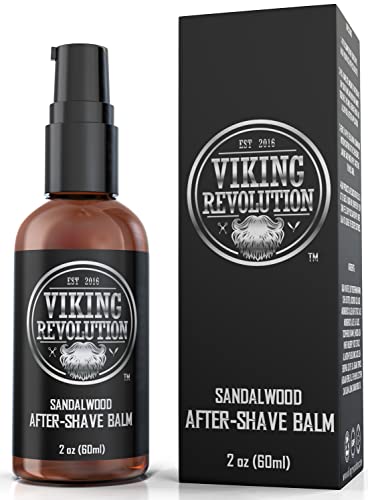
This is a single 2 oz balm, which makes it the sensible first purchase if you have never used a balm and do not yet know how your skin reacts to one. The drawback is that the listing tells you the format and the size and little else, so check the ingredient list yourself before committing to a scent or a formula.
Oily skin: usually the wrong format
For oily skin the same AAD guidance reverses: too much moisturizer can clog pores and lead to acne, so the recommendation is to consider skipping it or to choose a gel, which is lighter than the other types. On skin that already produces plenty of oil, a balm is the format working against you.
Skipping moisture entirely is not automatically the answer either, and this is where most advice gets it wrong. The goal is a light layer that stops your skin from drying out, not a thick one that compensates for dryness you created by over-cleansing.
This matters more for some readers than others: in people with black or brown skin, acne can leave discoloration and hyperpigmentation behind, so a breakout is not only a short-term annoyance.

A clear, fragrance-free gel is the lighter answer for a reader who wants something after shaving but not a cream. Two limits: it is a gel, so wind-stripped or genuinely dry skin will not get the barrier a cream gives, and it will not double as a moisturizer for a dry patch the way a balm can.
Acne-prone skin: what to look for instead
A balm is usually not the first thing to try. If you are going to use one anyway, the label test is specific and worth memorizing: oil-free, non-comedogenic, or won’t clog pores. Any of those three phrases means the product is unlikely to cause acne, according to the AAD’s guidance for acne-prone skin.
There is also a reason not to simply go without. When skin becomes dry, the body makes more oil, and the extra oil can clog pores. A moisturizer that suits acne-prone skin is part of stopping that cycle rather than an indulgence on top of it; in studies where patients followed a full acne plan, most saw less acne somewhere between four and eight weeks after adding an acne-friendly moisturizer, not overnight.
One thing to get straight before you buy anything for it: not every bump after shaving is acne. Razor bumps are pseudofolliculitis, an irritation of the hair follicle that looks like a breakout, and a board-certified dermatologist is the person who can tell you which one you have. Treating folliculitis with acne products on your own is guesswork; the breakout guide covers how the two are usually told apart.
If you want a starting point in that class rather than a label to hunt for, the gel in the previous section is the lightest format on this page and its listing states that it is fragrance free.
Sensitive skin: settle the fragrance question first
For reactive skin, the format matters less than what is in it. The AAD’s advice for dry skin is to avoid fragrance, alcohol and alpha-hydroxy acids where you can, so that skin keeps its own oils; its separate caution for sensitive skin is aimed at “natural” and organic lines in particular. As one of its board-certified dermatologists puts it, all natural in no way means hypoallergenic, and plant-derived ingredients are perfectly capable of causing a reaction.
The practical rule after shaving comes from the AAD’s razor-bump guidance: use a soothing aftershave formulated to reduce the risk of irritation, and if it burns or stings, stop using it and try another one. A product that stings is not working through the sting. A cool compress held on the skin for about five minutes after shaving costs nothing and is the first thing to try before another purchase.
Because the sensitive-skin question is mostly a product question, it has a dedicated answer: how to choose a balm that won’t sting sets out the specific picks and what each one gives up. This page only settles whether balm is the right format for you in the first place.
Combination skin: treat it as two faces
Combination skin is not a compromise between the two answers, it is both answers applied to different areas. Moisturize the dry patches and leave the oily ones alone; the T-zone — forehead, nose and chin — frequently needs nothing at all, which is why one dermatologist’s advice is to never put moisturizer on the center of your face.
In practice that means one product applied unevenly, judged by feel rather than by a fixed amount: the dry patches can take more than the oily ones want, and the balance shifts with the season.
One rule that beats any skin-type label
Whatever the shelf says, try a new balm on a small area of jawline for a few days before you put it on your whole face. Reacting on a two-inch patch is an inconvenience; reacting across both cheeks is a week of your life. Stop at the first sting rather than pushing through, and if redness or bumps persist after you stop, that is a dermatologist’s question rather than a product question.
A dull blade is worth checking at the same time. A single-blade razor stays sharp for five to seven shaves, and a dull blade greatly increases the risk of razor bumps — which will look like a product problem and is not one. This guide to calming shaving irritation is the next stop if your skin is already angry.
Before you buy
Decide the format first, then the label, then the size. Most people do it in the opposite order, buy the largest bottle of the richest product, and conclude that balms do not suit them when the truth is that one balm did not.

A two-pack of 3.4 fl oz balms with aloe: the volume format, for a reader who already knows a balm works and would rather not run out mid-winter. The drawback is the commitment: if you do not finish the first one in a season, you have bought twice what you needed.
If you would rather start from a shortlist than from a route map, our picks of aftershave balms for sensitive skin and everyday shaves covers six, with the trade-offs for each.
Where to go next
If you are still deciding what the post-shave step is for at all, start with what aftershave is actually for. If you want the whole sequence rather than one product, the post-shave routine puts cleanser, balm and everything after it in order.


Leave a Reply