What you put on your skin after shaving can do two useful things: replace some of the moisture the blade has just taken off, and calm the surface if it feels hot, tight or itchy. That is the whole job. This guide is for anyone deciding what, if anything, to add to their routine after shaving, and it names a few products worth considering by what your skin is actually doing. If your skin is comfortable after shaving, you can skip the whole category — most people need at most one product here. And nothing in a bottle fixes a dull blade or a hurried technique.
What a post-shave product does, and does not do
A balm, moisturiser, toner or gel all sit on top of freshly shaved skin. The useful ones add moisture — look for glycerin, hyaluronic acid or ceramides — and calm the surface with ingredients such as aloe, chamomile or witch hazel. What none of them does is repair a shave that went wrong: if the razor pulled or you pressed too hard, a slick balm only masks the sting for an hour. Get the blade and the pressure right first. The cream or gel you shave with matters more to the result than what you put on afterwards, so if you are still choosing that, how to choose a shaving cream is the place to start.
Match the product to what your skin is doing
There is no single best post-shave product, because the right one depends on how your skin feels once the razor has passed.
- Dry or tight. A moisturiser or balm is the answer; this is the most common need, and a face cream you already own will usually do.
- Hot, red or stingy. A calming, alcohol-free balm suits better than an alcohol-based splash, which can make the sting worse.
- Bumps or ingrown hairs. These need gentler technique and a little exfoliation more than a moisturiser, which will not clear them on its own.
- Oily but irritated. A light, water-based gel cools without adding a heavy film.
- Sensitive or reactive. Choose fragrance-free and alcohol-free, and read the ingredient list rather than the word “sensitive” on the front.
Adding a toner, a balm and a gel to the same shelf rarely helps. Pick the one type that matches what your skin is doing and use it consistently before adding anything else.
Balm, moisturiser, toner or gel? What changes
The formats overlap more than the packaging suggests. A balm is a light cream, often with a little aloe or menthol, designed for the face straight after shaving. A plain moisturiser does the same moisturising job without the shaving-specific extras. The two are close enough that many people do not need both, and post-shave moisturiser vs aftershave balm works through which one is worth keeping.
A toner or splash is thin and watery, and often astringent; it can tighten and refresh, but it adds little moisture, and an alcohol-based one can sting freshly shaved skin. A gel is light and water-based, cooling without much residue. If you are unsure why the splash tradition exists at all, what aftershave is actually for explains where it fits and where it does not.
Products worth considering
These cover the main formats and skin types, each with the reader it suits and the drawback to accept. They are described by what they are made for, not by how they look on the shelf.
NIVEA MEN Sensitive Post Shave Balm. An alcohol-free balm aimed at skin that reacts, with chamomile and vitamin E, sold in a multipack. It is the sensible starting point if splashes sting you. The trade-off is that it does little for anyone who wants a scent, and the multipack commits you to several at once.

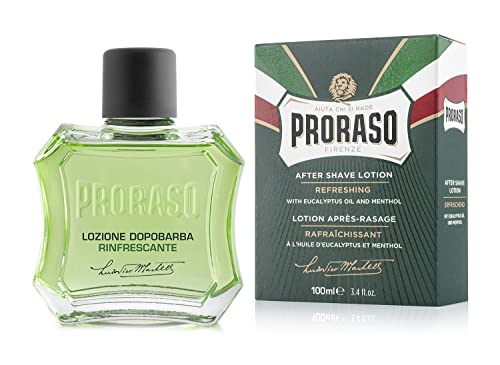
Proraso After Shave Lotion. A classic Italian splash built on eucalyptus oil and menthol, giving a sharp, cooling finish that many wet shavers like. It suits someone who enjoys the ritual and the chill. The trade-off is the alcohol base and the intensity: on dry or reactive skin the menthol hit is too much.
The Art of Shaving After-Shave Balm. An unscented balm and face moisturiser, tested for sensitive skin, for when your skin feels dry or tight and you want one calming product that can double as a daily moisturiser. The trade-off is the price, and that it offers no cooling or scent.

Jack Black Post Shave Cooling Gel. A light, clear, water-based gel with aloe and witch hazel, which cools oily or combination skin without a heavy residue. The trade-off is that it is thin: on genuinely dry or tight skin it is often not enough on its own, and a gel calms a sting less than a balm does.

Bumps and ingrown hairs after shaving
The redness and small bumps that show up a day or two later are usually razor burn or ingrown hairs, not a reaction to the product. They respond more to technique — a sharp blade, shaving with the direction of growth, a lighter touch and gentle exfoliation — than to anything you apply afterwards. How to prevent razor burns and irritation and these tips for soothing shaving irritation cover the steps that actually help.
Before you buy
- Decide the type first. Moisturiser for dry skin, calming balm for reactive skin, light gel for oily skin.
- Read the label, not the badge. Fragrance-free and alcohol-free for skin that reacts; the front-of-pack wording is marketing.
- Check whether you already own it. A daily face moisturiser often does the same job as a dedicated post-shave product.
- Fix the blade and the technique. A fresh blade and light pressure prevent more irritation than any balm can calm.
- Buy one, not a shelf. Start with a single product matched to your skin before adding a toner or a second balm.
- Treat the scent as optional. A stronger scent usually means more alcohol or fragrance, which is the opposite of what irritated skin wants.
The post-shave routine is a small decision with a simple logic: pick the one product type that matches your skin, keep the blade fresh, and do not expect a balm to undo a bad shave. Get those right and the choice between the bottles stops mattering much.


Leave a Reply