An aftershave balm is the moisturizing end of the after-shave shelf. Where a splash or a lotion is thin and often built on alcohol, a balm is a cream or a soft lotion that puts moisture back into skin the razor has just passed over. If your face or scalp feels tight, hot or dry after a shave, this is the step that answers it. If you like a brisk, tingling finish and your skin tolerates alcohol, a splash may suit you better and you can skip the rest of this page. Below is what a balm does, what to look for by skin type, and six current balms that cover different skin and budgets.
What an aftershave balm does
Shaving does two things at once: it removes hair, and it takes some of the skin with it. The result is skin that is often a little red, tight or dry afterwards, and that is the discomfort a balm is designed for. Its job is simple: replace moisture and calm the surface rather than tighten it. That is the difference from the alcohol-forward lotions and splashes many readers first picture. Those are the ones that sting, and on sensitive skin that sting is the reason dermatologists suggest avoiding alcohol in a post-shave product; balms are usually water-based and alcohol-free, so the same step feels cool instead of sharp. This is what aftershave is for at its most useful, and it is also why a balm slots naturally into the wider post-shave routine instead of standing alone.
What a balm will not do is fix the shave itself. If your skin keeps coming out red, raw or bumpy, the cause is usually technique or the follicle rather than the missing product, and a balm can only calm what the razor already did. Calming shaving irritation is a different job from preventing it.
What to look for
Sensitive skin
Buy the shortest, plainest formula you can and check two things on the label: no alcohol and no added fragrance. Dermatologists’ guidance for sensitive skin is to avoid both, and to reach for a product that actually says “sensitive skin”. Fragrance is the most common reason a balm that feels fine to one person stings another, and unscented is the safer default if your skin reacts at all.
Dry skin
Look for the humectants and emollients that do the holding: glycerin, aloe vera and shea butter are the ones most often named, and a richer cream texture will suit you better than a light lotion. If your skin feels tight within an hour of shaving, that is the signal you want more body in the product, not more of it.
Oily or combination skin
A heavier cream can feel like a film on an oily T-zone. A light balm or a clear cooling gel absorbs faster and leaves less residue, and it is the better starting point if you already find moisturizers too much. You are trading a little richness for a cleaner finish.
Scent and format
If you wear a cologne, choose an unscented balm so the two do not fight. If you want the scent to be part of the ritual, a scented balm is a reasonable way to get it. On format, a tube is easier to squeeze out a small, controlled amount, while a larger bottle is the better value per ounce; a multipack lowers the cost per unit but commits you to one product for a while. None of that changes how the balm works, only how it fits your shelf.
Six aftershave balms worth considering
These six cover the sensible spread: one plain alcohol-free everyday balm, one light aloe-based option, one premium unscented cream, one aimed at close-shaved or head-shaved skin, one cooling gel for a lighter finish, and one scented balm for a classic after-shave smell. Prices change, so check the card on each for the current figure.
1. Nivea Men Sensitive Post Shave Balm: the everyday alcohol-free default
This is the balm to buy when you want one known, inexpensive product and no decisions. It is explicitly alcohol-free and built for sensitive skin, and it comes as a three-bottle multipack, which keeps the cost per bottle low for regular shavers. The texture is a light cream that sinks in without a heavy film. The trade-off is straightforward: it is a dependable everyday balm rather than a treat, and if you want a fragrance-free premium texture or a specific scent you will look past it.

Who it suits: a daily shaver with normal-to-sensitive skin who wants an alcohol-free balm that does its job and does not cost much.
2. Harry’s Post-Shave Balm: the light, aloe-based everyday option
Harry’s balm is built around aloe, and its feel is lighter and quicker to absorb than a rich cream, which makes it the easier choice if heavy moisturizers leave you greasy. It is a two-pack at a moderate price, so it covers a few months of regular use. Its appeal is in the finish: clean and unfussy rather than rich. The catch is that a light balm gives less cushioning than a cream, so very dry skin may want the richer option further down the list.

Who it suits: someone who wants a quick-absorbing, aloe-based balm and dislikes a heavy finish.
3. The Art of Shaving After-Shave Balm (unscented): the premium sensitive-skin pick
This is the splurge, and it is defensible for one reader in particular: the one who wants nothing scented on their face and a richer, longer-lasting cream. It is unscented and clinically tested for sensitive skin, so it is the safest premium option if fragrance is a problem for you. You are paying for a richer formula, a fragrance-free design and a familiar brand; it is the most expensive pick here by some way. If scent is part of why you use a balm, this is the wrong pick.

Who it suits: a reader who wants an unscented, richer balm and will spend more to avoid fragrance and a thin texture.
4. Bee Bald HEAL: the pick for close-shaved and head-shaved skin
Bee Bald HEAL is made for the person who shaves close and often, including the scalp, and it is positioned to calm and soothe skin that is hot or tight right after the razor. The 2 fl oz tube keeps the price low, so it is an easy one to try if you shave your head and want something made for that. It is a calming balm, not a treatment, so it will not resolve an ingrown hair or a bump; it only makes the minutes after a shave more comfortable.

Who it suits: a head or face shaver who wants a low-cost balm for the minutes right after a close shave.
5. Jack Black Post Shave Cooling Gel: the lighter, cooling alternative
Not everyone wants a cream, and this is the pick for that reader: a clear, cooling gel rather than a balm, with a lighter finish on the skin. It suits oily or combination skin that resists richer products, and it is fragrance-free, which keeps it out of the way if you wear a cologne. The trade-off is body: a gel gives less moisture than a cream, so dry skin will likely want one of the richer picks instead.

Who it suits: someone who prefers a light, non-greasy finish or has oily skin, and wants a cooling step rather than a cream.
6. Viking Revolution Luxury After-Shave Balm: the scented value pick
If the point of an aftershave for you is the smell and the ritual, this is the one to look at. It is a sandalwood-scented balm, and at 2 oz for a low price it is inexpensive to try. You are getting a classic barber-shop finish and a scent, not a fragrance-free product, so skip it if your skin reacts to fragrance or you wear a separate cologne. For the reader who wants a warm, traditional after-shave smell at a sensible price, it does that job well.
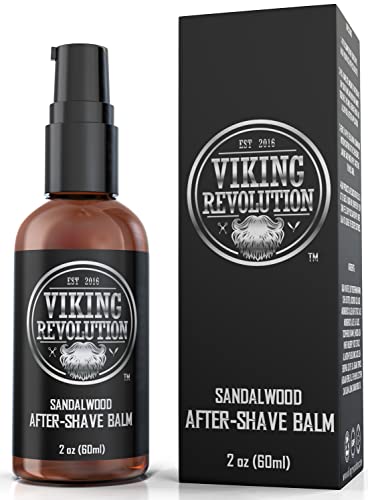
Who it suits: a reader who wants a traditional sandalwood after-shave scent and a low price, and does not need fragrance-free.
How to use an aftershave balm
Use it last, after the shave and after a rinse. Rinse the face with cool water, pat dry rather than rubbing, then work a small amount of balm into the shaved area with your fingers. You want a thin, even layer, not a mask; if the skin still feels dry minutes later, add a little more rather than starting with a lot. If a product is new to you and your skin is reactive, test it on a small patch first before you put it on freshly shaved skin. And give it a couple of weeks of consistent use before deciding, because a single morning tells you little.
When a balm is not the fix
A balm is comfort and moisture, not a cure, and knowing the difference saves money and skin. Razor burn, the red, stinging irritation that follows a rough shave, comes from the shave itself, so the fix is a gentler technique and a sharper blade, which is why the useful next step is to prevent razor burn rather than buy a richer balm. Razor bumps and ingrown hairs are a follicle problem, not a dryness problem, and they need exfoliation and a change in how you shave rather than a richer balm. If the area becomes hot, swollen and painful, or you see pus, stop reaching for products and see a doctor, because that is a sign of infection rather than ordinary post-shave irritation.
The bottom line
Choose a balm by your skin first and your nose second. If your skin is sensitive, start with the plain alcohol-free and fragrance-free options and work outwards from there; if it is dry, take the richer cream; if it is oily or you dislike a heavy finish, take the gel. Then buy the one whose price and format you will actually keep using, because a balm only helps on the mornings you reach for it. Fix the shave and the balm becomes a comfort rather than a rescue, which is exactly what it should be.


Leave a Reply