Pre-shave oil is a thin layer of oil you put on your face before lather. It does two jobs: it slows the water loss that leaves skin tight, and it adds slip between the blade and your skin. That is worth the extra step if your beard is coarse, your skin is dry, or your neck complains every time you shave. It is worth very little if your lather already gives you a comfortable shave, and it is the wrong product entirely if you shave with an electric razor.
The rest of this page is about telling those cases apart, what the oil can and cannot do, and how to use it so the extra step earns its place in your routine.
What the oil is actually doing
Shaving irritates skin through friction. Dry skin raises that friction, which is one reason a shave after a warm shower feels easier than the same shave on a dry face, and why every shaving product worth using is judged on how well it lubricates and what barrier it leaves between the blade and the skin.
A pre-shave oil works on the first half of that. Spread on damp skin, the oil film slows water loss, so skin and hair stay softer while you build your lather. The film also sits under the lather and gives the blade one more surface to slide across before it reaches you. Two separate jobs, one thin layer.
It is not a treatment. The film rinses off with the lather, and a bottle of castor and olive oil does not change how your skin heals afterwards.
What it will not do
It will not make a dull blade cut cleanly. A blade that pulls and tugs needs replacing, and no oil fixes that.
It does not mean you can press harder or take an extra pass for a closer finish. Pressure and repeated strokes are what produce most razor burn and nicks, so the point of extra slip is to use less pressure, not to shave more aggressively.
It will not overrule the direction you shave in. Going against the grain raises the risk of irritation and ingrown hair whatever is underneath the lather; if you want a closer finish, a pass across the grain is the safer second step. If razor burn is already your main problem, the habits that prevent it are worth fixing before you buy anything: preventing razor burn and irritation covers preparation, blade condition and pressure in the order that actually changes the result.
And it cannot promise an irritation-free shave. If you have persistent razor burn, inflamed follicles or a rash that keeps returning, that is a question for a board-certified dermatologist rather than another product.
It is also worth knowing where the step sits in official advice. The American Academy of Dermatology’s shaving guidance covers wetting the skin and hair first, applying a shaving cream or gel, shaving in the direction the hair grows, rinsing after each stroke and changing the blade every five to seven shaves. A pre-shave oil is not part of that basic routine. That does not make it useless. It makes it an optional extra layer, for skin that needs more slip than lather alone is giving it.
Who gets the most out of it
These are the four cases where the extra layer tends to pay for itself:
- A coarse, dense beard. Stubborn hair resists the blade, so a softer, slicker surface changes the feel of the shave more than it does on fine hair.
- Dry or tight-feeling skin, especially in winter or a dry climate, where skin loses water fastest between the shower and the lather.
- A sensitive neck. It is the case that comes up most often in this category, and the reason is easy to see: the skin is thinner there and the hair often grows at angles that make a clean pass harder.
- Multi-pass shaves with a safety razor or straight razor, where the blade crosses the same skin two or three times in one sitting.
If none of those describe your shave, the honest answer is that you are unlikely to notice much.
Who should skip it
Skip it if your skin is oily or prone to breakouts. A heavy oil can be too much for skin that clogs easily, and the heavier the formula, the more likely it is to feel like a layer sitting on your face rather than something that sinks in. Dermatologists already advise people with acne to shave carefully, with a sharp blade and a light touch, because shaving can irritate skin and make acne worse. Adding oil to that routine is a risk with no clear upside; if you try it anyway, start with a light formula used sparingly and stop if you break out.
Skip it if you are sensitive to fragrance, or if you do not want your prep competing with your cream and aftershave. Low-scent and unscented formulas exist for exactly this reason, and a strong scent usually means extra ingredients, which is more chances for something to disagree with your skin.
Skip it if you shave with an electric razor. That is a different kind of shave. As a rule, an electric shaver runs on dry skin or over a light pre-electric lotion, and an oil film is not what that routine is built around. What you want instead is a pre-electric lotion or gel, a different product with a different job. What to use with an electric shaver covers the options.
And skip it if your current lather already gives you a comfortable shave. In that case the extra step buys very little, and the money is better spent on the cream or soap itself, where a better formula changes every shave instead of adding one. If you are not sure which one to pick, choosing a shaving cream for your skin is the place to start.
How to use it so it helps
- Wash, rinse with warm water, and leave your face damp. The oil is there to hold water in, so it needs water to hold. A warm shower or a warm damp towel for a few minutes first does more for the shave than the oil does.
- Use a few drops, not a puddle. Put them in your palm, rub your hands together, and massage the oil into the skin in circles. Most people need less than they expect the first time.
- Give it about thirty seconds. That is long enough for the oil to spread evenly and for skin to feel supple rather than slick.
- Lather straight over the top. The oil goes underneath your cream or soap, not instead of it. If you bowl-lather, build the lather as usual and apply it over the oil.
- Shave lightly, in the direction the hair grows, and rinse the razor after each stroke. Let the blade do the work. If your skin starts to feel hot, stop rather than chase the last patch.
- Rinse, then adjust the amount next time. If your face still feels oily after rinsing, you used too much. If the razor drags, you used too little, or the oil is too thin for your beard.
One note if you use a shaving brush: a heavy oil can make lather sit on top of the film rather than blend with it, which feels different from lather that goes straight onto bare skin. That is a texture preference, not a defect. If the lather collapses on a second pass, use less oil rather than more lather.
What to look for on a label
The oils doing the work are the carrier oils on the label, and the same handful turn up across the category: castor, olive, sunflower, jojoba, safflower and grapeseed. They differ more in weight than in anything else, and weight is what decides whether a formula suits you.
- Heavier formulas suit coarse beards and single-pass shaves. They stay where you put them, which is the point, but they are also the ones most likely to leave a residue.
- Lighter formulas rinse clean and layer more predictably under a bowl lather, which makes them the easier starting point for sensitive or combination skin.
- Low or no scent keeps the product out of the way of your cream, soap and aftershave, and cuts down on the ingredients most likely to disagree with your skin.
- Bottle size matters less than you think. At a few drops a shave, a small bottle lasts months, so choose on formula and consistency rather than volume.
Some oils are sold as shaving oils you can use on their own, with no lather at all. Those have more body and a different job: they are the whole shave rather than the layer underneath it, and they suit a quick single pass better than a full routine.
What else changes prep comfort
If the goal is a calmer shave rather than one more product, three things do most of the work. Warmth and time come first, because a few minutes of warm water before the blade softens hair and settles skin. Blade condition comes second, because a fresh blade at light pressure beats any prep on a tired one. The third is warm lather, and it is the one people notice most: lather that is still warm feels better against the face than lather that has gone cold in the bowl, which is the whole reason cream warmers and hot lather machines exist. They change comfort, not closeness.
Where to start
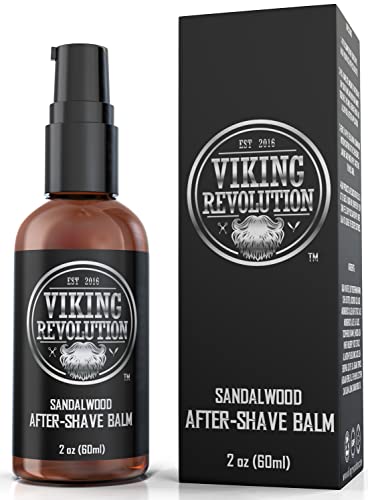
If your shave matches the first list rather than the second, try one small bottle and give it three or four shaves before you judge it. Choose on formula and consistency, not on the length of the ingredient list. This two-ounce bottle is the closest fit to the criteria above: it is sold as unscented, the formula is short and built on safflower, castor and grapeseed oils, and it is thin enough to spread without leaving a heavy film. One caveat worth knowing before you buy: the ingredient list still includes lime oil, so it is not fragrance-free, just lightly scented.

If you would rather compare, our pre-shave oil picks set three options side by side, including a sandalwood-scented one for people who want the oil to be part of the shave rather than invisible in it.
If your shave matches the second list, spend nothing here. Fix the blade, lighten the pressure and give your lather more time, and you will get more out of the routine you already have.


Leave a Reply