Beard conditioner is the product a lot of beards are missing. A beard oil softens and a balm tames, but it is a conditioner that replaces some of the moisture washing takes out, and it is the difference between a beard that feels wiry and one that feels soft. This page covers what a beard conditioner actually does, how it differs from oil, balm and wash, and which current ones are worth buying.
It is written for someone whose beard feels dry, coarse or hard to comb, and who is trying to work out whether they need a conditioner, a softener or yet another oil. If your beard is already soft and you only want hold or scent, a balm or an oil is the better buy, and we link to those below. If your beard feels rough no matter how much oil you use, start here.
The short answer
- Most beards, best all-round: the Bevel Beard Conditioner – a coconut oil and shea butter softener you can rinse out in the shower or leave in.
- Stubble and scruff, drugstore price: the Cremo Beard & Scruff Softener – sold in supermarkets and pharmacies, and it works on short hair as well as a full beard.
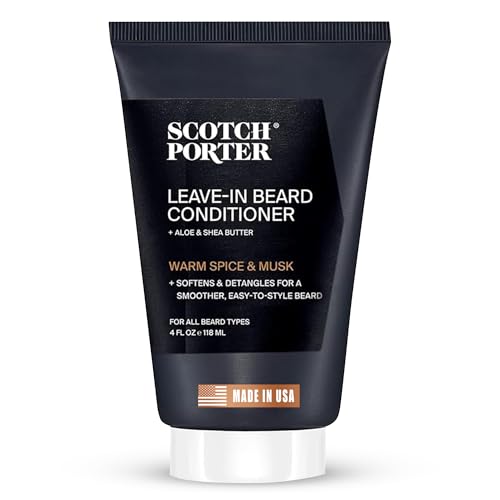
- Dry, coarse or frizzy beards: the Scotch Porter Restorative Leave-In Beard Conditioner – a leave-in built for dull, dry, coarse hair.
- One bottle for washing and conditioning: the Jack Black Beard Wash and Conditioner – a 2-in-1 that cleans and conditions in a single step.
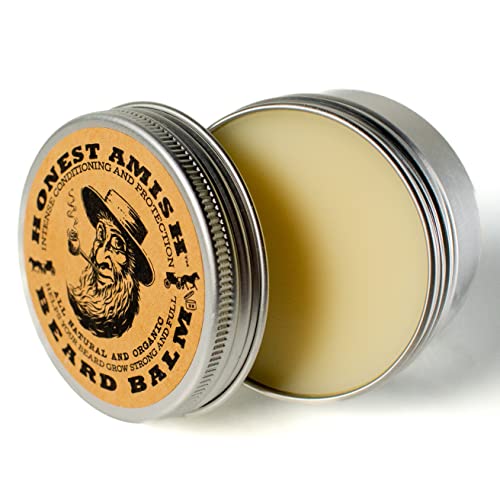
- Conditioning with a little hold: the Honest Amish Beard Balm – sold as a natural leave-in conditioner, with enough weight to tame stray hairs.
What beard conditioner actually does
A conditioner is a coating. It leaves conditioning agents – oils, butters, and sometimes silicones – on the hair, which smooths the surface and cuts the friction between hairs. On a beard that means three things you can feel: the hair is softer, it combs through with less tugging, and it tangles less.
That is a feel-and-comb result, not a growth result. Beard hair is coarser and drier than the hair on your head, so it both needs more conditioning and tolerates heavier conditioning than a scalp shampoo would. Washing strips oils out of the hair; a conditioner puts some back. If a beard feels brittle by the end of the day, that gap is usually the reason.
Leave-in, rinse-out or a 2-in-1
Beard conditioners are sold in three practical formats, and which one suits you depends on how dry your beard is and how much time you want to spend.
- A rinse-out softener goes on in the shower and rinses out with the wash. It is the lightest option and the easiest to use every day.
- A leave-in conditioner goes on a damp beard and stays there. It conditions more than a rinse-out, which is what a dry or coarse beard usually needs.
- A 2-in-1 wash and conditioner cleans and conditions in one step. It is the most convenient and the least conditioning of the three, so it suits upkeep rather than repair.
Conditioner, oil, balm and wash: which one you are actually missing
These four products get used as if they were the same thing, but they do different jobs, and a beard routine that leaves one out usually shows it.
- Wash cleans the hair and the skin under it. Use it, but not every day; more on that in our best beard washes.
- Conditioner softens and detangles after washing – the subject of this page.
- Oil is a light daily leave-in for moisture and shine; what beard oil is for explains where brands differ.
- Balm is heavier, for taming stray hairs and adding a little hold – see our our beard balm roundup.
- A comb or brush spreads whatever you apply and gets the hairs pointing the same way – see our beard and mustache combs.
The routine that works for most beards is short: wash less often, condition after washing, then finish with a small amount of oil or balm and a comb to even it out. If your beard needs shortening or shaping rather than conditioning, that is a different purchase – our beard trimmer picks and our guide to what each beard tool does cover that decision.
One caution belongs before the picks: a conditioner conditions the hair you already have; it does not grow more of it. If softness is what you are after, that is exactly the lever to pull – the limits are set out at the end of this page.
The five beard conditioners
Bevel Beard Conditioner: the everyday softener to start with
This is the closest thing to a default pick here. The listing describes it as a beard softener built on coconut oil and shea butter that melts into rough beard hair to soften it, reduce breakage and detangle, and it can be used as a rinse-out or left in.
That flexibility is the point: rinse it out on a busy morning, leave it in when the beard feels dry. It is the pick for someone who wants one product that covers most days rather than a shelf of them.

Cremo Beard & Scruff Softener: the drugstore pick
Cremo is a supermarket and pharmacy brand, and that is the appeal – you can buy it in person, and it is priced like a mainstream product. The listing has it as an any-length beard conditioner that softens thick facial hair, removes dirt and oil, and hydrates without weight.
Because it is built for any length, it doubles as a scruff softener for stubble and a short beard, not just a full one. Choose it if you want something easy to restock that will not feel heavy.

Scotch Porter Restorative Leave-In: for dry, coarse beards
This one is a leave-in, applied to a damp beard and left there. The listing describes it as a deep conditioning softener with a lightweight feel that reduces frizz and adds lasting hydration and shine to dull, dry, coarse beards.
Pick it if your beard drinks oil and still feels rough by the afternoon. A leave-in does more work than a rinse-out, and this one is aimed squarely at coarse, unruly hair.
Jack Black Beard Wash and Conditioner: the one-bottle option
If you would rather not add a step, this is a 2-in-1: it washes and conditions in one go. The listing says it cleanses and nourishes facial hair, moisturises the skin underneath, and removes dirt and oil buildup, with aloe vera and jojoba.
Set your expectations correctly and it is a good buy: a 2-in-1 conditions less than a dedicated conditioner, so it suits upkeep more than rescue. If your beard is very dry, use it as your wash and add a leave-in afterwards.

Honest Amish Beard Balm: conditioning with a little hold
Technically a balm, but Honest Amish sells it as a natural leave-in conditioner, and that is fair – it is a shea butter, coconut oil and argan oil blend that softens and conditions, in a form with a little more weight than a cream.
That weight is why you would choose it over the others: it conditions and, at the same time, tames stray hairs, so it covers the conditioner-and-balm jobs in one tin. It pairs naturally with the brand’s oils; if you are weighing them up, here is how the Honest Amish oils compare.
How to get more out of a conditioner
- Apply it to a damp beard, not a bone-dry one. Moisture helps the product spread evenly instead of sitting on the surface.
- Comb it through so it reaches the hair underneath, not just the top layer.
- Leave a leave-in in place; rinse a rinse-out only lightly, rather than until the beard squeaks.
- Wash less often. Over-washing is the most common reason a beard feels dry in the first place.
- A little goes a long way. Too much conditioner leaves a beard looking greasy rather than healthy.
Where conditioning stops
Two limits are worth stating plainly, because product pages rarely do. The first is growth: no beard conditioner makes a beard thicker. Whether a patch fills in is largely down to genetics, not what you apply to it, and buying a conditioner expecting new hair leads to disappointment.
The second is damage. A conditioner smooths and softens the hair you have, but it cannot repair a beard that is splitting or breaking at the ends because it is overdue for a trim. If the ends are ragged, conditioning treats the feeling, not the cause.
The bottom line
If your beard feels dry, coarse or hard to comb, a conditioner is the product most likely to fix it, and it is cheaper than the collection of oils people buy looking for the same result. Start with a softener you can rinse out or leave in, add a leave-in if your beard is very dry, and keep the oil and balm for the jobs they are actually good at.


Leave a Reply