Short answer: on bare metal, yes. On the head of a shaver, no — and never as a soak. Alcohol is a good disinfectant for a steel blade, and a shaver head is not just a steel blade. There is a plastic frame, a thin metal foil, rubber seals and a film of oil on the parts that rub together. Alcohol suits the steel. It is hard on the rest.
If what you actually want is the cleaning routine, it is in the step-by-step method for a foil or rotary shaver and it takes about five minutes without any alcohol at all. This page is the narrower question: what alcohol does to the parts, where it is the right tool, and why the five-to-ten-minute soak so many guides recommend is the worst version of it.
Where alcohol helps, and where it does not
- Rubbing alcohol on the assembled head: no. Panasonic says so outright, and Philips allows it only on bare metal.
- Alcohol on a bare metal cutter, blade or clipper blade taken off the device: yes, with care. This is the job it is good at.
- Soaking the head in a jar of alcohol: no. It is the version that reaches the parts a wipe cannot, and takes the lubricant with it.
- What cleans a shaver head: a brush, water if the model is rated for it, diluted soap on the housing, and one drop of oil afterwards.
What alcohol does to the parts
Panasonic is unusually direct about this. The operating instructions for its ARC5 (the ES-LV97) say: “Do not wipe with thinners, benzine, alcohol etc. Doing so may cause malfunction, or cracking or discoloration of the parts. Wipe with diluted soapy water.” The same sentence appears twice in the manual — once in the shaver’s own cleaning notes and again in the notes for the cleaning station.
Read what that warning actually names: cracking and discoloration. Those are the plastic frame, the coating on the housing and the seals, not the steel. The steel is the part alcohol leaves alone.
Philips is more granular, and less absolute. Asked whether clippers can be cleaned with isopropyl alcohol, its answer is “Sometimes, but with care. Isopropyl alcohol can help disinfect metal blade surfaces, but it may dry out some materials, affect plastic parts or interfere with lubricants. Avoid soaking the whole device and only use alcohol on suitable surfaces.”
Put the two together and the shape of the answer is clear. Where the alcohol can reach plastic, seals or lubricated metal, both makers either forbid it or restrict it to suitable surfaces. Where it reaches bare metal on its own, it is allowed.
The oil is the part nobody mentions
Both makers finish their cleaning instructions with oil. Braun: put a drop of oil on the cutter block once in a while. Panasonic: dry the shaver in the shade and apply oil. That film is not cosmetic — it is what lets the cutter run against the foil instead of dragging across it.
Alcohol is a solvent for exactly that film. Wipe the head with it and you have stripped the surface you are about to shave with. Expect a head that feels worse a month after a thorough alcohol clean than it did before it, and expect to be re-oiling a surface you just stripped.
Where alcohol is the right tool
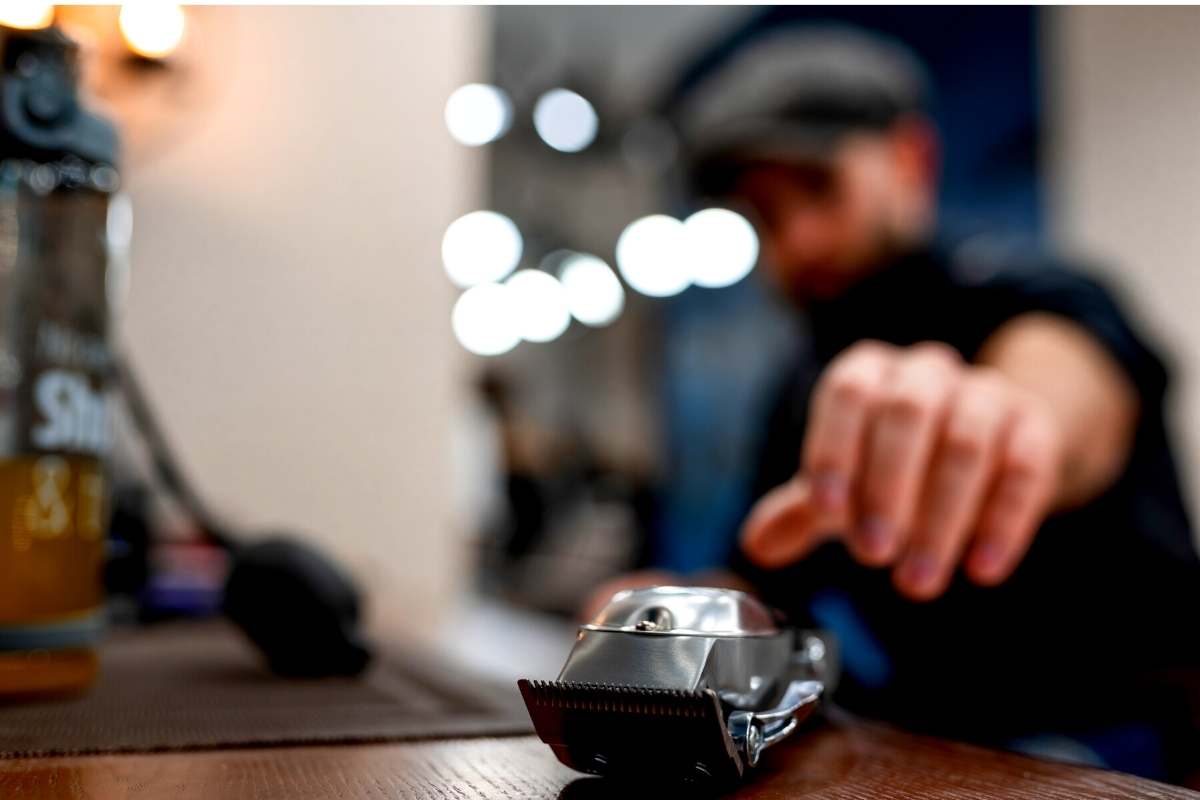
Alcohol earns its place on metal that stands alone: a cutter bar lifted out of the head, a clipper blade taken off the body, a double-edge blade, a straight razor. Philips’ qualified yes is about metal blade surfaces, and that is the honest boundary.
The working rule is short. Metal only, off the device, dry it afterwards, and oil it before it goes back together. If plastic, rubber or a foil is still attached to the part you are wiping, alcohol is the wrong choice there.
Why the soak is worse than the wipe
The popular version of this advice is a jar: stand the head in 70% alcohol for five or ten minutes and let it disinfect itself. It sounds thorough. It is the version most likely to cost you a head.
A wipe touches surfaces. A soak goes where a wipe cannot: the gap between foil and frame, the seals, the inside of the head, and the full length of every lubricated contact. Philips lists “avoid soaking the whole device” as the qualifier on its own yes, and lists submerging a non-waterproof tool as one of the mistakes to avoid.
Liquid is the second risk, and the only irreversible one. If the model is rated wet and dry a rinse is fine. If it is a dry-only shaver, water in the electronics is not a mistake you can undo afterwards. So check the manual or the product page before anything goes near a sink.
What to use instead
None of that leaves you without a way to clean it. The makers’ own routine needs no alcohol at all, and the full routine walks through it step by step, including what to do weekly and monthly: the brushing, the rinse if your model is rated for it, the soap on the housing and the drop of oil afterwards all live there.
The same chemistry runs through the other tools: the nose trimmer has the same plastic-housing rule, and a beard trimmer takes the same qualified approach to alcohol on its blade.
If disinfection is the actual goal rather than a clean head, the makers’ own route is not alcohol either. Philips’ disinfecting step is a clipper disinfectant spray applied to a dry blade and left for the contact time on the label; Braun’s deep-clean product is a spray aimed at sebum. Both are made for the surfaces they go on, which is more than can be said for a bottle of rubbing alcohol.
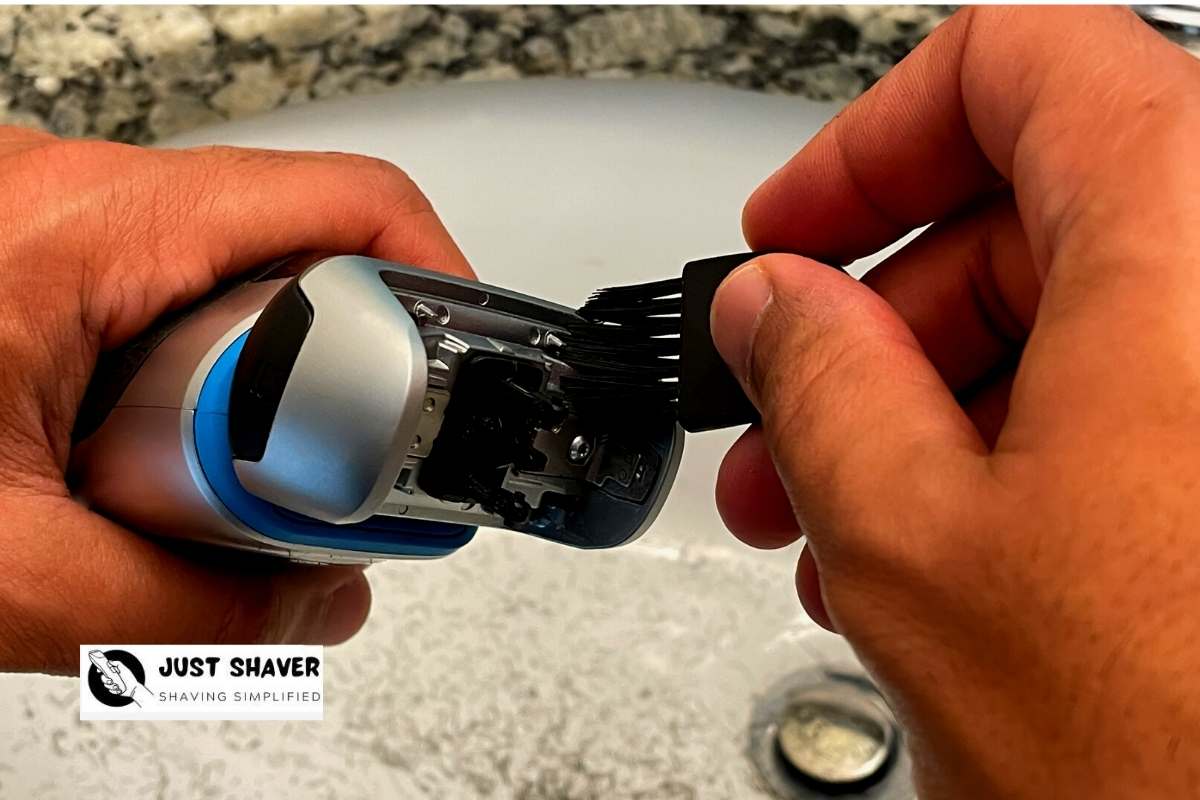
The one thing worth buying, if you do not already own it, is a soft nylon brush — the sort that comes in the box and then disappears into a drawer. If yours is gone:

If the brush that came with your shaver is still in the box, use that one and skip this. Nylon bristles are right for the cutter block and wrong for the foil, whatever the brush cost.
What a cleaning station uses instead of alcohol
A cleaning station changes the routine, not the chemistry. The liquid in it is not alcohol: Panasonic’s manual says to use only its own recharger detergent, and warns that anything else may cause malfunction or failure. It also describes what that liquid is meant to do — cleaning, sterilization, lubrication and drying. Lubrication is on the list. Alcohol would not be.
Two habits keep a station working. Do not dock a shaver that still has droplets or soap on it, because it changes the concentration of the liquid in the tank, and replace the cartridge on schedule — Panasonic quotes roughly 30 days at one clean a day. If you own a Panasonic station, this is the refill it takes:
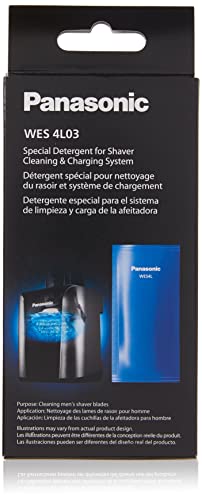
It fits Panasonic clean-and-charge systems and not a Braun or Philips dock, so check the model of your station first. The recurring cost is the honest drawback of owning a station at all.
When a clean head still drags
If the head is clean and oiled and the shave still drags, the fault is not the cleaning — when a shaver head needs replacing covers how to tell what it is before you spend anything. Braun’s replacement interval for the cutters is 18 months. And if it turns out the shaver is the problem rather than its head, the electric razor comparison is the next step up.
For the ARC5 five-blade models this site reviews — the ES-LV97-K and the ES-ALV6HR — the foil and cutter set is a single part number:

That set is the WES9032P, and it fits the ES-LV97-K, ES-LV67-K, ES-LV95-S and ES-LV65-S. Other ARC5 variants and other brands take their own part number, so match the model before buying. And if the head is simply dirty, this is money you do not need to spend yet.
The habit that beats the bottle
Thirty seconds with a brush after each shave does more for a shaver than any bottle in the bathroom cabinet. Alcohol keeps a place in the cupboard for the occasional bare-metal job — a blade, a cutter bar, a clipper blade off its body — and stays away from the assembled head, the foil and the oil. That is the whole rule, and it costs nothing to keep.


Leave a Reply