

If you have just finished shaving and you are deciding between a dedicated aftershave balm and the regular face moisturizer already sitting on your shelf, the short answer is that you probably do not need both. A balm is built for the minutes right after a shave; a moisturizer is built for the rest of the day. Which one earns a place in your routine depends on how your skin reacts to the razor, how much fragrance you want, and how dry you get.
This guide is for one specific decision: do you buy a balm, or do you keep using the moisturizer you already own? It is not a product list. If you already know you want a balm and just need options, the roundups linked at the end are a better starting point.
The short answer
Use an aftershave balm if your skin stings, reddens or tightens right after a shave and you want something made for that moment. Use your normal face moisturizer if your skin settles quickly on its own and you simply want to keep it hydrated through the day.
If your moisturizer already calms your skin and does not sting, there is no rule that says you must add a balm. If your skin is reactive, a balm formulated for post-shave care is usually the more considered choice, because that is what it is designed for.
What each product actually is
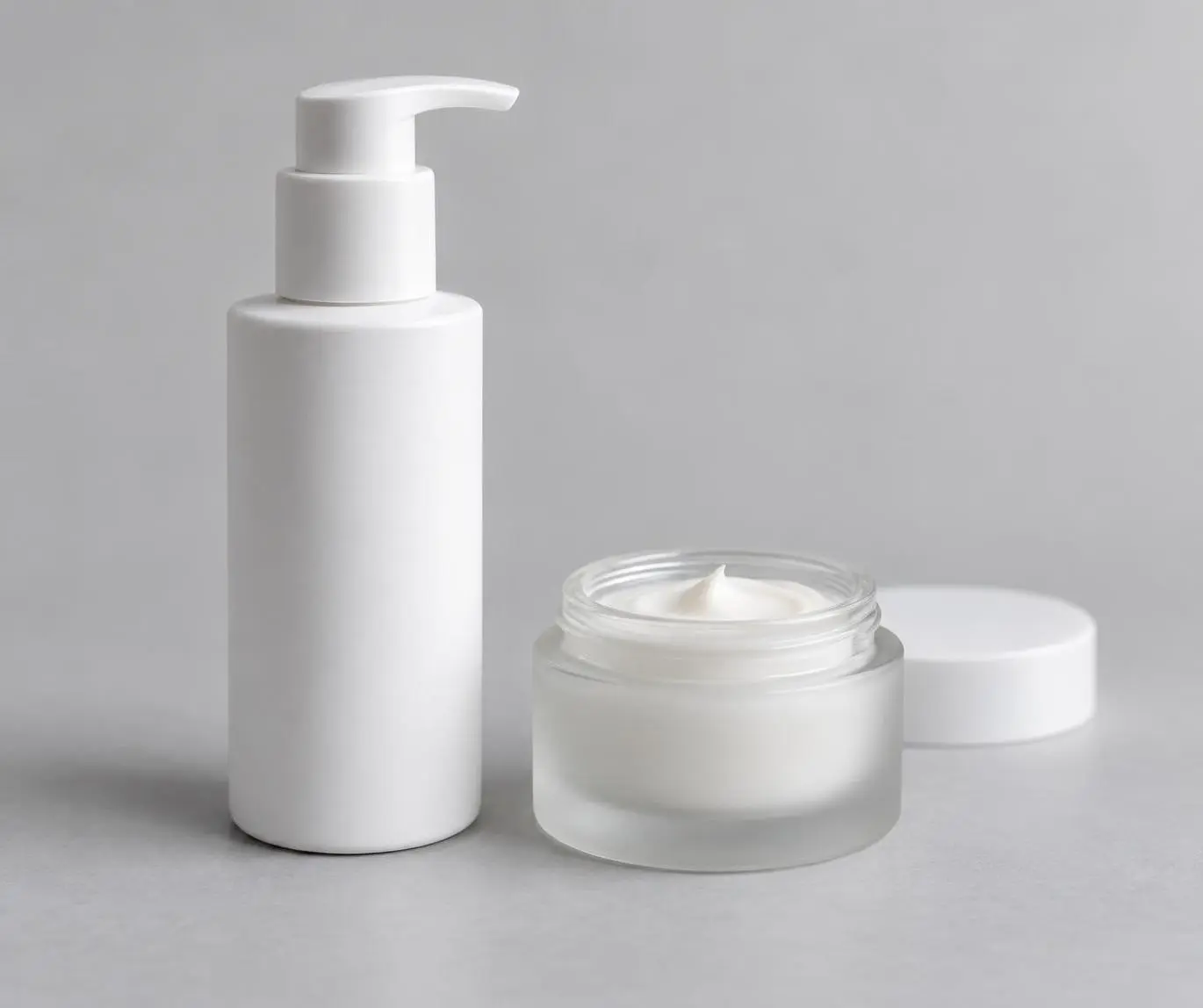
An aftershave balm is a light, quickly absorbed cream or lotion made for the face immediately after shaving. The better ones lean on soothing and moisturising ingredients rather than a sharp alcohol hit. Traditional, fast-evaporating aftershaves and “splashes” are a different product again: they are usually alcohol-forward liquids that cool and tighten the skin, and they can feel harsh on skin that has just been scraped.
A face moisturizer is a broader product. Its job is to keep the skin hydrated and comfortable for hours, and different formulas suit different skin types. Dermatology sources group the useful ingredients into two families: humectants such as glycerin and hyaluronic acid, which attract and hold water, and occlusives such as petroleum jelly, mineral oil and lanolin, which sit on the surface and slow water loss (Cleveland Clinic, “Emollients”). Most moisturizers combine both.
So the real difference is intent, not category. A balm is tuned for the freshly shaved face; a moisturizer is tuned for the whole day. Many balms are largely a moisturizer with a post-shave focus, which is why the two overlap so much.
When an aftershave balm earns its place
- Your skin reacts to shaving. If you regularly get redness, tightness or a warm sting after a shave, a balm made for that moment is the more targeted choice.
- You want fragrance control. Some readers like a scented balm as their only fragrance; others want none. A balm lets you choose, and a fragrance-free balm keeps that choice separate from your moisturizer.
- You shave in the evening and want something light. A balm is typically lighter than a heavy night cream and absorbs quickly.
- Your moisturizer stings after a shave. Some actives and fragrances feel fine on rested skin and sharp on freshly shaved skin. A simple post-shave balm avoids that.
When your regular moisturizer is enough
- Your skin settles on its own. If the redness fades within a few minutes and nothing stings, adding a second product changes little.
- Your moisturizer already does the job. If it hydrates without irritation, you are getting the outcome a balm would give you.
- You want a short routine. Fewer steps is a legitimate reason to skip a balm.
- You are prone to breakouts. Heavier, occlusive formulas can aggravate acne-prone skin, so a lighter, non-comedogenic product may suit you better whether it is labelled a balm or a moisturizer.
Order of application, and how much you need
Whichever you use, the sequence is simple:
- Shave with a clean, sharp blade and a lubricating lather.
- Rinse with cool or lukewarm water and pat the skin dry; do not rub.
- Apply your post-shave product to slightly damp skin. Emollients absorb better on damp skin, and applying within a few minutes of washing helps (Cleveland Clinic).
- Use a small amount. A pea-sized dot is usually enough for the beard area; more just sits on the surface and can look greasy.
- Press and smooth it in rather than scrubbing, and avoid dragging over any irritated patch.
If you use both a balm and a moisturizer, apply the lighter, more watery one first and the richer one last. Two heavy layers can feel greasy, so if your balm is already hydrating enough, stopping there is fine.
Ingredients to look for, and to be careful with
For a freshly shaved face, gentle and simple usually beats active and complex:
- Look for humectants and occlusives such as glycerin, hyaluronic acid, squalane, shea butter or mineral oil, depending on how rich you want the feel.
- Be cautious with high concentrations of alcohol, which can feel drying on skin that has just been shaved.
- Watch fragrance, dyes and essential oils if your skin is sensitive. Dermatology guidance for sensitive skin is to prefer a short, fragrance-free ingredient list and to avoid common irritants including alcohol, fragrance, dyes and some preservatives (Cleveland Clinic).
- Check the label if you break out easily. Occlusive, oil-heavy formulas can aggravate acne-prone skin; products marked non-comedogenic are made with that in mind.
No single ingredient guarantees a comfortable shave. Blade condition, pressure, direction of the stroke and how many passes you make all matter alongside what you put on afterwards.
Quick answers
Do I need a balm if I already moisturize? Not automatically. If your moisturizer calms your skin and does not sting, it is doing the same job.
What if my skin stings after shaving? A simple, fragrance-free balm or moisturizer is gentler than an alcohol-heavy splash. If irritation is persistent or severe, that is a question for a dermatologist or healthcare provider rather than a product.
Can a balm stop ingrown hairs? No product can promise that. A softer shave, a sharp blade and less pressure reduce the chances of irritation, but treat any “prevents ingrown hairs” claim with suspicion.
What about a non-greasy finish? A lighter lotion, or a balm that lists water and humectants near the top, will usually dry down faster than a heavy occlusive cream.
Fragrance or fragrance-free? A personal choice. Fragrance-free is the safer default if your skin is reactive.
Where to go next
- Choosing an actual product: see our roundup of the best post-shave balms and the guide to after-shave lotions and balms.
- Want the background on balm alone: read how to soothe and hydrate your skin with post-shave balm, and whether post-shave balm suits all skin types.
Leave a Reply